763-210-9966
View Our Locations Request Appointment
03

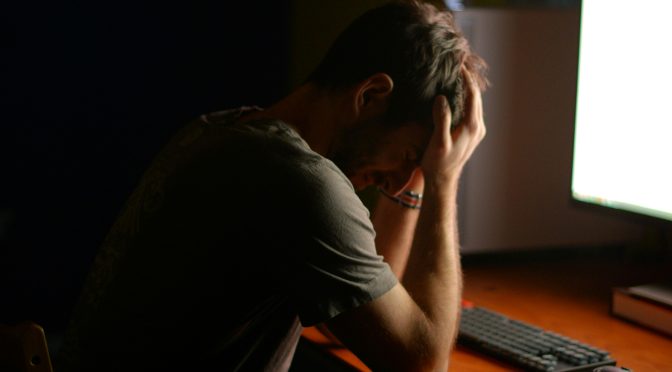
The start of a new year often brings fresh expectations—but for many people, January feels more draining than motivating. After months of holiday stress, year-end deadlines, and emotional exhaustion, burnout recovery becomes a critical focus, not a luxury.

Burnout doesn’t mean you’re weak or failing. It means you’ve been operating in survival mode for too long. And in 2026, more professionals, caregivers, teachers, and healthcare workers are recognizing that sustainable change requires support—not just willpower.

What Burnout Really Looks Like

Burnout goes beyond feeling tired after a busy week. It’s a state of chronic physical, emotional, and mental exhaustion caused by prolonged stress.

Common signs of burnout include:

  • Constant fatigue, even after rest
  • Feeling detached, numb, or cynical
  • Reduced motivation or productivity
  • Irritability or emotional overwhelm
  • Trouble sleeping or concentrating
  • Feeling ineffective or “never enough”

Why Burnout Feels Harder After the Holidays

Post-holiday burnout is especially common. The combination of:

  • Emotional labor during the holidays
  • Financial pressure
  • Disrupted routines
  • Returning to demanding workloads

can leave people feeling depleted before the year even begins.

This is particularly true for:

  • Professionals balancing high expectations
  • Caregivers supporting others with little rest
  • Teachers managing emotional and academic demands
  • Healthcare workers facing ongoing stress and burnout

Burnout recovery requires more than “pushing through”—it requires intentional care.

How Therapy for Burnout Supports Recovery

Therapy for burnout provides a structured, supportive space to understand what’s driving exhaustion and how to change it sustainably.

Therapy can help you:

  • Identify burnout patterns and triggers
  • Learn boundaries without guilt
  • Rebuild energy and motivation gradually
  • Process work-related stress and emotional fatigue
  • Develop healthier stress responses
  • Reconnect with purpose and values

Rather than quick fixes, therapy focuses on long-term burnout recovery that aligns with your life and responsibilities.

Stress Management Counseling: Practical Tools That Help

Stress management counseling offers actionable strategies you can use right away, including:

  • Nervous system regulation techniques
  • Time and energy boundary-setting
  • Cognitive tools to reduce overwhelm and perfectionism
  • Mindfulness practices tailored to busy schedules
  • Values-based goal setting

These tools are especially helpful for people who feel stuck in a cycle of overgiving and under-resting.

A Simple Burnout Self-Check (Bonus)

Ask yourself:

  • Do I feel exhausted most days?
  • Do I struggle to feel motivated or present?
  • Have I lost interest in things I once enjoyed?
  • Do I feel pressure to keep going no matter the cost?

If you answered “yes” to several of these, it may be time to prioritize burnout recovery.

Burnout Recovery Is Possible in 2026

Burnout doesn’t have to define your year. With the right support, recovery is not only possible—it’s sustainable.

At Collaborative Counseling, we provide therapy for burnout and stress management counseling for individuals navigating work stress, caregiving demands, and emotional exhaustion.

We Offer:

  • In-person therapy across Minnesota and Wisconsin
  • Telehealth therapy statewide
  • Flexible scheduling
  • In-network coverage with most major insurance plans

📍 Serving: Chanhassen, Maple Grove, Roseville, Osseo, Northfield, Lakeville, Hudson, Eau Claire (Oakwood & Clairemont), and surrounding areas.

💙 If you’re ready to break the cycle of burnout, we’re here to help.
👉 Schedule with us today.

Read More
24

If you’re considering therapy for the first time, you may be wondering what happens in therapy and whether it’s the right step for you. Starting therapy can feel intimidating—especially if you’re not sure what to expect or how the process works.

The good news? Therapy isn’t about being judged, “fixed,” or having all the answers. In 2026, therapy is more accessible, personalized, and compassionate than ever. This guide walks you through how to start therapy in MN, what your first session looks like, and how to prepare so you can feel more at ease.

How to Start Therapy in MN (or WI)

Many people delay therapy because they’re unsure how to begin. If you’re wondering how to start therapy in MN, the process is usually simpler than you think.

Typical first steps include:

  • Reaching out by phone, email, or an online form
  • Completing brief intake paperwork
  • Choosing in-person or telehealth therapy

At Collaborative Counseling, we help match you with a therapist based on your needs, goals, and preferences—because the right fit matters.

What Happens in Therapy During Your First Session?

Your first therapy session is primarily about getting to know you. It’s a conversation—not an interrogation.

Here’s what typically happens in therapy during the first session:

  • Your therapist explains confidentiality and how therapy works
  • You share what brought you to therapy (at your own pace)
  • You discuss current stressors, symptoms, or goals
  • Your therapist asks questions to better understand your experiences
  • You collaborate on next steps and goals for therapy

There’s no pressure to share everything at once. You’re in control of what you disclose.

First Therapy Session Tips to Help You Feel Prepared

If you’re nervous, that’s completely normal. These first therapy session tips can help ease anxiety:

  • You don’t need to “prepare” the right words
  • It’s okay to say, “I’m not sure where to start”
  • You can ask questions about the process at any time
  • There’s no expectation to commit long-term right away
  • Therapy moves at your pace

Remember: showing up is enough.

What Therapy Is—and What It Isn’t

Understanding what happens in therapy also means knowing what therapy is not.

Therapy is:

  • A supportive, confidential space
  • Collaborative and goal-oriented
  • Centered on your values and needs

Therapy is not:

  • Someone telling you what to do
  • Being judged or analyzed
  • Only for people in crisis

According to the American Psychological Association, therapy is effective for improving emotional well-being, managing stress, and supporting personal growth.
👉 https://www.apa.org/topics/psychotherapy

Personalized, Compassionate Therapy—Your Way

At Collaborative Counseling, therapy isn’t one-size-fits-all. We tailor care to each individual, couple, and family—whether you’re navigating anxiety, burnout, life transitions, or simply seeking self-growth.

We offer:

  • In-person therapy across Minnesota and Wisconsin
  • Telehealth therapy statewide
  • Flexible scheduling
  • In-network coverage with most major insurance plans

The National Institute of Mental Health emphasizes that early support and personalized care improve outcomes in mental health treatment.
👉 https://www.nimh.nih.gov/health/topics/psychotherapies

Ready to Take the First Step?

Starting therapy in 2026 can be a meaningful investment in your well-being. If you’re still unsure, a brief conversation can help you decide.


📅 Schedule your first session

📍 Serving: Chanhassen, Maple Grove, Roseville, Osseo, Northfield, Lakeville, Hudson, Eau Claire (Oakwood & Clairemont), and surrounding areas—with Telehealth options available.

👉 Reach out today—we’re here when you’re ready.

Read More
17

As winter settles in across Minnesota and Wisconsin, many people notice changes in their mood, energy, and motivation. Shorter days, colder temperatures, and long stretches indoors can take a toll. But how do you know if what you’re experiencing is Seasonal Affective Disorder (SAD) or simply the winter blues?

Understanding the difference matters—especially when symptoms start to impact daily life. Let’s break down what winter depression can look like, how SAD differs from typical seasonal mood changes, and when therapy may help.

What Are the Winter Blues?

The winter blues describe mild, temporary mood changes that happen during the colder months. These shifts are often linked to less sunlight, disrupted routines, and seasonal lifestyle changes.

Common Signs of the Winter Blues

  • Lower energy or motivation
  • Feeling sluggish or unmotivated
  • Wanting to sleep more
  • Mild irritability or low mood
  • Missing sunlight or outdoor activity

While uncomfortable, the winter blues usually don’t interfere significantly with work, relationships, or daily responsibilities—and they tend to improve with lifestyle adjustments or as the season changes.

What Is Seasonal Affective Disorder (SAD)?

Seasonal Affective Disorder (SAD) is a form of depression that follows a seasonal pattern—most commonly beginning in late fall or winter and improving in spring.

When comparing winter depression and the winter blues, SAD symptoms are more intense, persistent, and disruptive.

Common Symptoms of Seasonal Affective Disorder

  • Ongoing sadness or hopelessness
  • Significant fatigue or low energy
  • Difficulty concentrating
  • Increased sleep and carbohydrate cravings
  • Social withdrawal or isolation
  • Loss of interest in activities you usually enjoy

Seasonal Affective Disorder vs Winter Blues: How to Tell the Difference

The key differences come down to severity, duration, and impact on daily life.

  • Winter blues tend to be mild and manageable
  • Seasonal Affective Disorder causes symptoms that persist most days and interfere with functioning
  • SAD often requires professional treatment, while winter blues may improve with self-care alone

If your mood changes feel heavy, unrelenting, or start affecting your relationships, work, or sense of self—it may be more than just the winter blues.

Therapy Options for Winter Depression in MN & WI

The good news: winter depression and SAD are treatable.

Therapy for Seasonal Affective Disorder in MN and SAD therapy in WI may include:

  • Cognitive Behavioral Therapy (CBT) for depression
  • Support with routine-building and motivation
  • Coping tools for low mood and fatigue
  • Guidance on light exposure and lifestyle supports
  • Space to process seasonal stress and burnout

When to Consider Scheduling With a Therapist

You don’t have to wait until winter feels unbearable to seek help. Consider reaching out if:

  • Low mood lasts more than a few weeks
  • You feel disconnected, numb, or overwhelmed
  • Motivation continues to decline
  • Winter feels harder every year

Early support can make a meaningful difference.

Support for Seasonal Affective Disorder & Winter Depression

At Collaborative Counseling, we provide therapy for winter depression, Seasonal Affective Disorder in Minnesota, and SAD therapy in Wisconsin.

We Offer:

  • In-person therapy across MN & WI
  • Telehealth therapy statewide
  • Flexible scheduling
  • In-network coverage with most major insurance plans

📍 Serving: Chanhassen, Maple Grove, Roseville, Osseo, Northfield, Lakeville, Hudson, Eau Claire (Oakwood & Clairemont), and surrounding areas.

💙 If winter is weighing on you, support is available.
👉 Schedule with us today—help is available both in person and via Telehealth.

Read More
10

When winter sets in across Minnesota and Wisconsin, many couples and families feel the pressure rise. Shorter days, limited sunlight, cabin fever, disrupted routines, and financial or holiday stress can all strain communication at home. Even the strongest relationships can feel stretched thin this time of year.

As Valentine’s Day approaches—a holiday centered on connection and love—it’s the perfect time to explore how to strengthen relationships, improve communication, and reduce conflict. Whether you’re in a long-term partnership, newly dating, co-parenting, or juggling family stress, therapy can play a powerful role in helping couples and families reconnect.

Why Winter Puts Extra Pressure on Relationships

Winter impacts mood, energy, and stress levels more than many people realize. Seasonal changes can influence serotonin, sleep patterns, and emotional regulation—which ultimately affects how we show up in relationships.

Common winter stressors that affect communication include:
• Increased irritability or fatigue
• Feeling “stuck” inside together
• Higher financial stress post-holidays
• Reduced social interaction
• Seasonal Affective Disorder (SAD)
• Cabin fever and lack of personal space

When emotional bandwidth decreases, tensions rise more easily. This often shows up as short tempers, misunderstandings, or withdrawal—placing strain on couples and families.

How Communication Breaks Down Under Stress

Even couples who normally communicate well may struggle in high-stress seasons. Conflict becomes more frequent or more intense, and small frustrations can feel overwhelming.

Common signs communication is suffering include:
• Repeating the same argument without resolution
• Feeling unheard or dismissed
• Avoiding hard conversations
• Feeling like “roommates” instead of partners
• Escalating conflict during routine stress
• Emotional distance or resentment

Winter stress can intensify these patterns, making everyday interactions more challenging.

How Couples Therapy Supports Healthy Communication

Couples therapy isn’t about deciding who is “right” or “wrong.” It’s about understanding each other more clearly, building emotional safety, and learning how to navigate conflict in healthy ways.

Here’s how relationship counseling helps:

1. Builds Emotional Safety

Therapy creates a neutral, structured environment where each partner can share openly without judgment, interruption, or escalation.

2. Teaches Healthier Communication Tools

Couples learn:
• How to speak without blaming
• How to listen without defensiveness
• How to express needs clearly
• How to repair after conflict

These skills build resilience long after the session ends.

3. Identifies Patterns Beneath the Surface

Often, couples argue about surface issues—chores, schedules, parenting styles—but the deeper conflict is emotional: feeling unappreciated, overwhelmed, disconnected, or unsupported.

Therapy helps uncover and address root causes.

4. Supports Couples Through Life Transitions

New parenthood, job changes, grief, relocation, and blended families all add relationship stress. Couples therapy helps partners navigate together instead of drifting apart.

5. Strengthens Connection and Intimacy

Healthy communication improves emotional closeness, which naturally strengthens physical intimacy, shared goals, and long-term satisfaction.

Valentine’s Day: A Perfect Time to Reprioritize Your Relationship

Rather than focusing solely on chocolates or date nights, consider using this season to invest in your relationship’s emotional foundation.
Healthy communication is romantic—and long-lasting.

Couples therapy can help you:
• Reconnect
• Reduce conflict
• Increase understanding
• Build shared meaning
• Strengthen trust and partnership

Think of therapy as an act of love—for yourself, your partner, and your relationship.

Relationship Counseling in Minnesota & Wisconsin

At Collaborative Counseling, we provide couples therapy in MN & WI, supporting relationships through communication issues, conflict, life transitions, and emotional disconnection.

📍 In-Person Offices:
Chanhassen • Maple Grove • Roseville • Lakeville • Osseo • Northfield (MN)
Hudson • Eau Claire – Oakwood & Clairemont (WI)

💻 Telehealth therapy available statewide in Minnesota and Wisconsin.

Whether you’re looking to repair, reconnect, or grow together, our therapists are here to help.

Ready to Strengthen Your Relationship?

Healthy communication is the key to lasting love—especially in stressful seasons. If winter has intensified tension or you want to build a stronger foundation, couples therapy can help you move forward together.

📅 Schedule a couples counseling session today:
https://www.collaborativemn.com/appointment-request

Read More

If you’ve ever been in physical therapy, you know healing isn’t just ice packs and resistance bands. (And yes—your PT will smile sweetly while asking for “just one more rep.” 😅)

But here’s the part most people never hear:

👉 Your emotional health has just as much impact on recovery as your physical treatment plan.

Stress, anxiety, trauma, and overwhelm aren’t just “in your head.” They affect:
• Your pain levels
• Your motivation
• Your nervous system
• How quickly your body can heal

Let’s break it down 👇

💥 Stress Slows Healing

Chronic stress pumps cortisol through the body, which:
• Slows tissue repair
• Increases inflammation
• Makes pain feel worse

It’s basically the uninvited guest ruining your healing party.

Anxiety & Depression Amplify Pain

When your nervous system is overwhelmed, pain signals get louder.
Stressful weeks = more pain?
That’s not in your imagination — it’s biology.

🚨 A Dysregulated Nervous System Hits the Brakes

Past trauma, burnout, or constant hypervigilance makes recovery harder.
Even “safe” movement can feel threatening when your nervous system is overloaded.

🧠 Motivation Suffers When Life Is Heavy

Skipping exercises isn’t laziness.
It’s emotional bandwidth — and when life is too much, there’s not enough left for healing.

🔎 5 Signs Emotional Health May Be Slowing Your Recovery

  1. You’re plateauing with no physical explanation
  2. Pain flares up when stress rises
  3. You avoid appointments or shut down emotionally
  4. You fear movement or catastrophize pain
  5. Life stress (grief, trauma, burnout) is at an all-time high

If these resonate, your mind and body may be working on different teams.

🌱 How Therapy Helps Your Physical Healing

Therapy supports recovery by helping you:
• Decrease stress + calm your nervous system
• Reduce pain sensitivity
• Stay motivated with treatment
• Build emotional resilience
• Reconnect your brain + body

Healing happens faster when both systems work together.

💬 Final Takeaway

Physical recovery isn’t just physical.
Your emotions, stress levels, and nervous system all show up in the healing process.

Supporting your mental health isn’t extra —
It’s the missing piece that helps your body heal more efficiently.

If you feel stuck, discouraged, or overwhelmed in your healing journey, you’re not alone — and you don’t have to do this the hard way.

📅 Schedule a session with Collaborative Counseling to support both your mental and physical recovery.
Your mind and body deserve to heal on the same team.

Read More
20

Does My Teen Need Therapy? 6 Signs to Watch For

Posted by Collaborative Counseling

Being a teenager is tough. Being the parent of one? Sometimes even tougher.

Mood swings, shifting identities, social pressure, academic demands—these are all part of growing up. But at what point do those ups and downs move beyond “typical teen behavior” and into something that could benefit from professional support?

If you’re asking yourself whether your teen might need therapy, you’re already paying attention—and that matters.

Here are six signs your teen may benefit from seeing a therapist.

1. Big changes in mood or behavior

Teens experience strong emotions, but sudden or dramatic shifts—such as intense irritability, ongoing sadness, or emotional numbness—can indicate deeper struggles. If your teen doesn’t seem like themselves for several weeks, it’s worth exploring further.

2. Isolation or withdrawal

Some alone time is normal. But if your teen consistently avoids friends, skips social events, isolates in their room, or stops enjoying activities they once loved, it may signal anxiety, depression, or overwhelm.

3. Changes in sleep or appetite

Teens are known for irregular sleep and eating habits, but extremes can be concerning. Watch for:

  • Sleeping very little or excessively
  • Staying in bed all day
  • Skipping meals or overeating
  • Using food to cope with stress

These shifts often accompany anxiety, depression, or disordered eating patterns.

4. Drop in academic performance

A sudden decline in grades, incomplete assignments, or skipping school may reflect more than a motivation issue. Mental health challenges frequently affect concentration, memory, and energy—making it hard to succeed academically.

5. Talk of hopelessness or self-harm

If your teen expresses hopelessness, says things like “nothing matters,” or mentions self-harm, take it seriously. Even if it seems dramatic, these are clear signs they need compassionate professional support right away.

6. You just have a gut feeling something’s wrong

You know your child better than anyone. If something feels off—trust that intuition. Many parents seek therapy simply because they sense their teen is struggling, shutting down, or carrying more than they can express.

How Teen Therapy Helps

Therapy gives teens a confidential, judgment-free space to talk about the things they may not feel comfortable sharing at home. With the guidance of a therapist, teens can:

  • Process big emotions
  • Build coping and communication skills
  • Work through anxiety, depression, or trauma
  • Navigate peer pressure, school stress, and family conflict
  • Strengthen confidence and self-awareness

Many teens find relief simply knowing they have a safe place to talk.

Teen Therapy at Collaborative Counseling (MN & WI)

At Collaborative Counseling, we support teens and their families through life’s hardest seasons—and everything in between.

In-Person Teen Counseling Locations

Minnesota
• Maple Grove
• Chanhassen
• Lakeville
• Roseville
• Osseo
• Northfield

Wisconsin
• Hudson
• Eau Claire (Oakwood & Clairemont)

Telehealth Therapy

We also offer online teen therapy statewide throughout Minnesota and Wisconsin.

Whether your teen is struggling—or simply needs a safe space to talk—our compassionate therapists are here to help.

Parenting shouldn’t feel like guesswork. You don’t have to navigate this alone.

📅 Schedule an appointment today.

Read More

Bringing a baby into the world is one of life’s biggest transitions. While it’s often portrayed as joyful and fulfilling, it can also be emotionally intense, overwhelming, and exhausting. Many new parents find themselves wondering about postpartum anxiety vs postpartum depression—and how to tell the difference.

Feeling disconnected, anxious, or low after having a baby does not mean you’re failing. And you don’t have to “push through it.” Understanding what you’re experiencing is the first step toward support.

What Is Postpartum Depression?

Postpartum depression (PPD) is a mood disorder that can develop after childbirth. It’s more than feeling tired or sad—it can affect your ability to function, bond with your baby, and feel like yourself.

Common Symptoms of Postpartum Depression

  • Persistent sadness or hopelessness
  • Loss of interest in things you once enjoyed
  • Difficulty bonding with your baby
  • Trouble sleeping (even when the baby sleeps)
  • Fatigue, irritability, or emotional numbness
  • Feelings of guilt, shame, or worthlessness
  • Thoughts of self-harm or wanting to disappear

What Is Postpartum Anxiety?

Postpartum anxiety (PPA) can occur on its own or alongside depression. When comparing postpartum anxiety vs postpartum depression, anxiety is often marked by constant worry, fear, and a sense that something bad is about to happen—even when everything seems okay.

Common Symptoms of Postpartum Anxiety

  • Racing or intrusive thoughts
  • Constant worry about your baby’s health or safety
  • Difficulty relaxing, even when the baby is fine
  • Feeling on edge, restless, or unable to sit still
  • Trouble sleeping due to worry rather than exhaustion
  • Physical symptoms like dizziness, nausea, or rapid heartbeat

Where postpartum depression can feel heavy or flat, postpartum anxiety often feels hyperactive and relentless. Both are real, valid, and deserving of care.

Postpartum Anxiety vs Postpartum Depression: Is It Just the “Baby Blues”?

Many new parents experience the baby blues—a normal hormonal shift in the first 1–2 weeks after birth. You may feel tearful, irritable, or overwhelmed, but these feelings typically resolve on their own.

It may be more than baby blues if:

  • Symptoms last longer than two weeks
  • Feelings intensify instead of improving
  • Anxiety or sadness interferes with daily functioning
  • You don’t feel like yourself

If this sounds familiar, it’s time to reach out for support.

When to Get Help for Postpartum Mental Health

You don’t need to wait until things feel unbearable to ask for help. If you’re struggling, therapy can support you in navigating postpartum anxiety vs postpartum depression and finding relief.

Therapy can help you:

  • Regulate overwhelming thoughts and emotions
  • Rebuild confidence and self-trust
  • Learn coping tools for anxiety and stress
  • Strengthen your support system
  • Feel more grounded and present

Therapy for Postpartum Anxiety and Depression in MN & WI

At Collaborative Counseling, we provide specialized support for postpartum anxiety, postpartum depression, and perinatal mood disorders.

In-Person Therapy Locations

Minnesota:

  • Maple Grove
  • Lakeville
  • Chanhassen
  • Roseville
  • Osseo
  • Northfield

Wisconsin:

  • Eau Claire (Oakwood & Clairemont locations)
  • Hudson

We also offer telehealth therapy statewide in Minnesota and Wisconsin.

💙 Whether you’re a new mom, a non-birthing parent, or a growing family—you are not alone, and you don’t have to figure this out by yourself.

👉 Contact us today to schedule a session.

Read More
06

Anxiety vs Stress: How to Tell the Difference

It’s normal to feel stressed. Life throws a lot at us—deadlines, family demands, financial worries, and constant uncertainty. But many people find themselves wondering about anxiety vs stress and how to tell when everyday stress has turned into something more serious.

Many clients come to therapy saying, “I thought I was just stressed… but it never went away.” In this post, we’ll break down anxiety vs stress, explain the key differences, and help you understand when support may be helpful.

Anxiety vs Stress: What Is Stress?

Stress is your body’s response to a specific external pressure. It’s usually tied to a clear cause—an upcoming test, a job interview, a tight deadline, or a packed schedule.

Your heart rate increases, your muscles tense, and your thoughts race. But once the stressor passes, your body typically returns to baseline.

Think of stress as your nervous system going into temporary high alert.

Common Signs of Stress

  • Trouble sleeping before a big event
  • Feeling overwhelmed but bouncing back after rest
  • Short-term irritability or tension
  • Headaches, muscle tightness, or fatigue

Stress is a normal part of being human. However, chronic stress that never lets up can take a toll on both mental and physical health.

Anxiety vs Stress: What Is Anxiety?

When looking at anxiety vs stress, anxiety tends to be more persistent and internal.

Anxiety occurs when the stress response doesn’t shut off—or when your brain begins treating everyday situations as threats. You may feel on edge even when nothing specific is wrong.

Unlike stress, anxiety isn’t always tied to a clear cause and often continues even when life appears “fine” on the surface.

Common Signs of Anxiety

  • Racing thoughts or excessive worry that won’t stop
  • Feeling constantly tense, jumpy, or “wired”
  • Avoiding people, places, or situations out of fear
  • Panic attacks or physical symptoms with no clear trigger
  • Trouble sleeping or concentrating—even during calm periods

If stress is a wave, anxiety is the undertow that keeps pulling you back in.

Anxiety vs Stress: How to Tell the Difference

Understanding anxiety vs stress comes down to duration, intensity, and triggers.

Stress usually has a clear cause and tends to resolve once the situation improves. Anxiety is more persistent and often feels harder to explain. Stress says, “I’m overwhelmed right now.” Anxiety says, “Something bad is going to happen—and I can’t turn that thought off.”

If stress feels like a sprint, anxiety can feel like running a marathon you didn’t sign up for.

Still unsure? A mental health professional can help you sort out what’s happening beneath the surface and teach tools to manage both.

Anxiety vs Stress: When to Seek Support

Here’s the truth: you don’t need to wait until you’re “falling apart” to get help.

If you’ve been feeling:

  • Constantly overwhelmed
  • On edge or emotionally numb
  • Stuck in worry or avoidance
  • Unable to relax even when things slow down

Therapy can help you better understand whether you’re experiencing anxiety vs stress and give you practical tools to feel more grounded and in control.

Ready to Feel More Like Yourself?

We provide therapy for anxiety and stress for individuals across Minnesota and Wisconsin, including:

  • Chanhassen
  • Maple Grove
  • Roseville
  • Osseo
  • Northfield
  • Hudson
  • Eau Claire (Oakwood & Clairemont locations)

We offer:

  • In-person and telehealth therapy
  • Flexible scheduling
  • In-network coverage with most major insurance plans

You don’t have to figure this out alone.
👉 Reach out today and let’s talk.

Read More
30

Let’s be honest—relationships are hard work. Many couples wonder when to seek couples counseling and how to know whether a rough patch is just a normal challenge or a sign that professional support could help.

Knowing when to seek couples counseling can help couples address concerns early—before small issues turn into larger problems. Couples therapy isn’t only for relationships in crisis; it can be helpful at any stage.

Below are six common signs couples counseling may be a supportive next step.

1. When to Seek Couples Counseling for Repeated Arguments

If you keep having the same argument—about money, parenting, division of labor, or even how you argue—it can feel exhausting and discouraging. Repeating the same conflict without resolution often signals deeper communication patterns that need support.

Couples counseling helps identify these patterns and teaches healthier ways to communicate and move forward together.

2. When You’re Avoiding Difficult Conversations

Avoiding hard conversations to “keep the peace” can slowly erode trust and emotional closeness. Silence may feel easier in the short term, but over time it can create distance.

Couples therapy provides a safe, neutral space where both partners can express themselves openly and feel heard without judgment.

3. When There’s Been a Breach of Trust

Infidelity, secrecy, or major dishonesty can deeply impact a relationship. Rebuilding trust is possible, but it often requires guidance from a trained therapist.

A couples counselor can help both partners process emotions, rebuild communication, and create a path forward together.

4. When Intimacy Feels Distant

A lack of emotional or physical intimacy doesn’t always mean something is “wrong,” but it can signal unmet needs or unresolved stress.

Couples counseling can help partners reconnect emotionally, understand each other’s needs, and rebuild closeness at a pace that feels safe and supportive.

5. When You’re Navigating a Major Life Transition

Life transitions—having a baby, blending families, job changes, illness, grief, or relocation—can add stress to even strong relationships.

Therapy helps couples stay grounded, communicate clearly, and support one another during times of change rather than growing apart.

6. When You Want to Improve—Not Just Fix Something

One of the most powerful reasons couples ask when to seek couples counseling is because they care about their relationship and want it to grow.

Couples therapy isn’t only for fixing problems—it’s also for strengthening communication, deepening connection, and building a healthier, more intentional partnership.

How Couples Counseling Helps When You’re Wondering When to Seek Support

Working with a trained couples therapist can help you:

  • Improve communication and reduce misunderstandings
  • Navigate conflict more productively
  • Rebuild trust after betrayal
  • Increase emotional and physical intimacy
  • Create shared goals for your future

Even if only one partner feels ready at first, that’s okay. Showing up to explore therapy together can be a powerful first step.

You may also benefit from related services like
individual therapy or telehealth therapy, which can support personal growth alongside relationship work.

When to Seek Couples Counseling for a Healthier Relationship

Understanding when to seek couples counseling can be the first step toward building a stronger, healthier relationship.

Our therapists specialize in working with couples at all stages—dating, engaged, married, or long-term partnerships.

In-Person Couples Therapy Locations

Minnesota:

  • Lakeville
  • Chanhassen
  • Roseville
  • Osseo
  • Northfield

Wisconsin:

  • Eau Claire (Oakwood & Clairemont locations)
  • Hudson

We also offer telehealth couples therapy statewide in Minnesota and Wisconsin.

💙 Let’s rebuild, reconnect, and move forward—together.
👉 Schedule your first couples counseling session today.

Read More
23

The holidays are often portrayed as joyful, festive, and full of connection—but for many people, mental health during the holidays can feel anything but easy.

Between packed schedules, financial pressure, family dynamics, grief, or loneliness, the holiday season can bring heightened stress, anxiety, and emotional exhaustion. If you’re finding this time of year challenging, you’re not alone—and there are ways to support your mental well-being.

Why Mental Health During the Holidays Can Be Hard

The holiday season comes with unique stressors that can impact emotional health, including:

  • Increased social and family expectations
  • Financial strain and gift-giving pressure
  • Grief or reminders of loss
  • Disrupted routines and sleep schedules
  • Seasonal changes and reduced daylight

Understanding why this season feels hard is an important first step toward caring for your mental health.

Common Mental Health Challenges During the Holidays

Mental health during the holidays can show up in different ways, including:

  • Heightened anxiety or irritability
  • Feeling overwhelmed or emotionally numb
  • Increased sadness or depressive symptoms
  • Difficulty sleeping or concentrating
  • Social withdrawal or burnout

These responses don’t mean you’re doing the holidays “wrong”—they’re signals that your nervous system may need extra care and support.

Tips for Protecting Your Mental Health During the Holidays

1. Set Realistic Expectations

You don’t have to attend every event, maintain every tradition, or make the season perfect. Give yourself permission to simplify.

2. Create Emotional Boundaries

Family gatherings can bring up old patterns or conflicts. Decide ahead of time what topics or situations you’ll step away from if needed.

3. Stick to Supportive Routines

Even small routines—like regular meals, movement, or bedtime habits—help regulate stress and mood during busy weeks.

4. Schedule Time for Yourself

Block time on your calendar for rest, reflection, or activities that help you recharge. Treat self-care like a real commitment.

5. Stay Connected in Healthy Ways

If loneliness is part of your holiday experience, gentle connection matters. Reach out to trusted friends, attend low-pressure gatherings, or connect virtually if that feels easier.

When to Seek Support During the Holidays

You don’t need to wait until the holidays are over—or until things feel unmanageable—to ask for help.

Consider reaching out if you notice:

  • Ongoing anxiety or low mood
  • Feeling overwhelmed or stuck
  • Increased conflict or emotional shutdown
  • Difficulty enjoying things you usually like

Therapy can provide a supportive space to process emotions, manage stress, and build coping tools that last beyond the season.

You Don’t Have to Navigate the Holidays Alone

At Collaborative Counseling, we support individuals, couples, and families navigating mental health during the holidays and throughout the year.

We offer:

  • In-person therapy across Minnesota and Wisconsin
  • Telehealth therapy statewide
  • Flexible scheduling
  • In-network coverage with most major insurance plans

📍 Serving: Chanhassen, Maple Grove, Roseville, Osseo, Northfield, Hudson, Eau Claire (Oakwood & Clairemont), and surrounding areas.

💙 If the holidays feel heavy this year, support is available.
👉 Schedule with us today.

Read More