 View Our Locations
 Request Appointment
How Therapy Can Help You Break the Cycle of Burnout in 2026
Posted by Collaborative Counseling
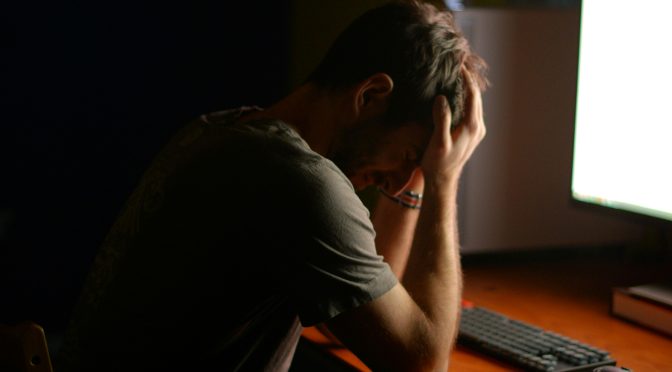
The start of a new year often brings fresh expectations—but for many people, January feels more draining than motivating. After months of holiday stress, year-end deadlines, and emotional exhaustion, burnout recovery becomes a critical focus, not a luxury.
Burnout doesn’t mean you’re weak or failing. It means you’ve been operating in survival mode for too long. And in 2026, more professionals, caregivers, teachers, and healthcare workers are recognizing that sustainable change requires support—not just willpower.
What Burnout Really Looks Like
Burnout goes beyond feeling tired after a busy week. It’s a state of chronic physical, emotional, and mental exhaustion caused by prolonged stress.
Common signs of burnout include:
- Constant fatigue, even after rest
- Feeling detached, numb, or cynical
- Reduced motivation or productivity
- Irritability or emotional overwhelm
- Trouble sleeping or concentrating
- Feeling ineffective or “never enough”
Why Burnout Feels Harder After the Holidays
Post-holiday burnout is especially common. The combination of:
- Emotional labor during the holidays
- Financial pressure
- Disrupted routines
- Returning to demanding workloads
can leave people feeling depleted before the year even begins.
This is particularly true for:
- Professionals balancing high expectations
- Caregivers supporting others with little rest
- Teachers managing emotional and academic demands
- Healthcare workers facing ongoing stress and burnout
Burnout recovery requires more than “pushing through”—it requires intentional care.
How Therapy for Burnout Supports Recovery
Therapy for burnout provides a structured, supportive space to understand what’s driving exhaustion and how to change it sustainably.
Therapy can help you:
- Identify burnout patterns and triggers
- Learn boundaries without guilt
- Rebuild energy and motivation gradually
- Process work-related stress and emotional fatigue
- Develop healthier stress responses
- Reconnect with purpose and values
Rather than quick fixes, therapy focuses on long-term burnout recovery that aligns with your life and responsibilities.
Stress Management Counseling: Practical Tools That Help
Stress management counseling offers actionable strategies you can use right away, including:
- Nervous system regulation techniques
- Time and energy boundary-setting
- Cognitive tools to reduce overwhelm and perfectionism
- Mindfulness practices tailored to busy schedules
- Values-based goal setting
These tools are especially helpful for people who feel stuck in a cycle of overgiving and under-resting.
A Simple Burnout Self-Check (Bonus)
Ask yourself:
- Do I feel exhausted most days?
- Do I struggle to feel motivated or present?
- Have I lost interest in things I once enjoyed?
- Do I feel pressure to keep going no matter the cost?
If you answered “yes” to several of these, it may be time to prioritize burnout recovery.
Burnout Recovery Is Possible in 2026
Burnout doesn’t have to define your year. With the right support, recovery is not only possible—it’s sustainable.
At Collaborative Counseling, we provide therapy for burnout and stress management counseling for individuals navigating work stress, caregiving demands, and emotional exhaustion.
We Offer:
- In-person therapy across Minnesota and Wisconsin
- Telehealth therapy statewide
- Flexible scheduling
- In-network coverage with most major insurance plans
📍 Serving: Chanhassen, Maple Grove, Roseville, Osseo, Northfield, Lakeville, Hudson, Eau Claire (Oakwood & Clairemont), and surrounding areas.
💙 If you’re ready to break the cycle of burnout, we’re here to help.
👉 Schedule with us today.

 Patient Portal
 View Our Locations
 Request Appointment