763-210-9966
View Our Locations Request Appointment
03

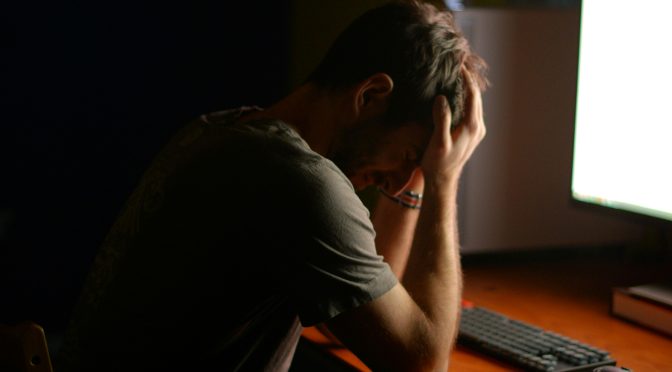
The start of a new year often brings fresh expectations—but for many people, January feels more draining than motivating. After months of holiday stress, year-end deadlines, and emotional exhaustion, burnout recovery becomes a critical focus, not a luxury.

Burnout doesn’t mean you’re weak or failing. It means you’ve been operating in survival mode for too long. And in 2026, more professionals, caregivers, teachers, and healthcare workers are recognizing that sustainable change requires support—not just willpower.

What Burnout Really Looks Like

Burnout goes beyond feeling tired after a busy week. It’s a state of chronic physical, emotional, and mental exhaustion caused by prolonged stress.

Common signs of burnout include:

  • Constant fatigue, even after rest
  • Feeling detached, numb, or cynical
  • Reduced motivation or productivity
  • Irritability or emotional overwhelm
  • Trouble sleeping or concentrating
  • Feeling ineffective or “never enough”

Why Burnout Feels Harder After the Holidays

Post-holiday burnout is especially common. The combination of:

  • Emotional labor during the holidays
  • Financial pressure
  • Disrupted routines
  • Returning to demanding workloads

can leave people feeling depleted before the year even begins.

This is particularly true for:

  • Professionals balancing high expectations
  • Caregivers supporting others with little rest
  • Teachers managing emotional and academic demands
  • Healthcare workers facing ongoing stress and burnout

Burnout recovery requires more than “pushing through”—it requires intentional care.

How Therapy for Burnout Supports Recovery

Therapy for burnout provides a structured, supportive space to understand what’s driving exhaustion and how to change it sustainably.

Therapy can help you:

  • Identify burnout patterns and triggers
  • Learn boundaries without guilt
  • Rebuild energy and motivation gradually
  • Process work-related stress and emotional fatigue
  • Develop healthier stress responses
  • Reconnect with purpose and values

Rather than quick fixes, therapy focuses on long-term burnout recovery that aligns with your life and responsibilities.

Stress Management Counseling: Practical Tools That Help

Stress management counseling offers actionable strategies you can use right away, including:

  • Nervous system regulation techniques
  • Time and energy boundary-setting
  • Cognitive tools to reduce overwhelm and perfectionism
  • Mindfulness practices tailored to busy schedules
  • Values-based goal setting

These tools are especially helpful for people who feel stuck in a cycle of overgiving and under-resting.

A Simple Burnout Self-Check (Bonus)

Ask yourself:

  • Do I feel exhausted most days?
  • Do I struggle to feel motivated or present?
  • Have I lost interest in things I once enjoyed?
  • Do I feel pressure to keep going no matter the cost?

If you answered “yes” to several of these, it may be time to prioritize burnout recovery.

Burnout Recovery Is Possible in 2026

Burnout doesn’t have to define your year. With the right support, recovery is not only possible—it’s sustainable.

At Collaborative Counseling, we provide therapy for burnout and stress management counseling for individuals navigating work stress, caregiving demands, and emotional exhaustion.

We Offer:

  • In-person therapy across Minnesota and Wisconsin
  • Telehealth therapy statewide
  • Flexible scheduling
  • In-network coverage with most major insurance plans

📍 Serving: Chanhassen, Maple Grove, Roseville, Osseo, Northfield, Lakeville, Hudson, Eau Claire (Oakwood & Clairemont), and surrounding areas.

💙 If you’re ready to break the cycle of burnout, we’re here to help.
👉 Schedule with us today.

Read More
24

If you’re considering therapy for the first time, you may be wondering what happens in therapy and whether it’s the right step for you. Starting therapy can feel intimidating—especially if you’re not sure what to expect or how the process works.

The good news? Therapy isn’t about being judged, “fixed,” or having all the answers. In 2026, therapy is more accessible, personalized, and compassionate than ever. This guide walks you through how to start therapy in MN, what your first session looks like, and how to prepare so you can feel more at ease.

How to Start Therapy in MN (or WI)

Many people delay therapy because they’re unsure how to begin. If you’re wondering how to start therapy in MN, the process is usually simpler than you think.

Typical first steps include:

  • Reaching out by phone, email, or an online form
  • Completing brief intake paperwork
  • Choosing in-person or telehealth therapy

At Collaborative Counseling, we help match you with a therapist based on your needs, goals, and preferences—because the right fit matters.

What Happens in Therapy During Your First Session?

Your first therapy session is primarily about getting to know you. It’s a conversation—not an interrogation.

Here’s what typically happens in therapy during the first session:

  • Your therapist explains confidentiality and how therapy works
  • You share what brought you to therapy (at your own pace)
  • You discuss current stressors, symptoms, or goals
  • Your therapist asks questions to better understand your experiences
  • You collaborate on next steps and goals for therapy

There’s no pressure to share everything at once. You’re in control of what you disclose.

First Therapy Session Tips to Help You Feel Prepared

If you’re nervous, that’s completely normal. These first therapy session tips can help ease anxiety:

  • You don’t need to “prepare” the right words
  • It’s okay to say, “I’m not sure where to start”
  • You can ask questions about the process at any time
  • There’s no expectation to commit long-term right away
  • Therapy moves at your pace

Remember: showing up is enough.

What Therapy Is—and What It Isn’t

Understanding what happens in therapy also means knowing what therapy is not.

Therapy is:

  • A supportive, confidential space
  • Collaborative and goal-oriented
  • Centered on your values and needs

Therapy is not:

  • Someone telling you what to do
  • Being judged or analyzed
  • Only for people in crisis

According to the American Psychological Association, therapy is effective for improving emotional well-being, managing stress, and supporting personal growth.
👉 https://www.apa.org/topics/psychotherapy

Personalized, Compassionate Therapy—Your Way

At Collaborative Counseling, therapy isn’t one-size-fits-all. We tailor care to each individual, couple, and family—whether you’re navigating anxiety, burnout, life transitions, or simply seeking self-growth.

We offer:

  • In-person therapy across Minnesota and Wisconsin
  • Telehealth therapy statewide
  • Flexible scheduling
  • In-network coverage with most major insurance plans

The National Institute of Mental Health emphasizes that early support and personalized care improve outcomes in mental health treatment.
👉 https://www.nimh.nih.gov/health/topics/psychotherapies

Ready to Take the First Step?

Starting therapy in 2026 can be a meaningful investment in your well-being. If you’re still unsure, a brief conversation can help you decide.


📅 Schedule your first session

📍 Serving: Chanhassen, Maple Grove, Roseville, Osseo, Northfield, Lakeville, Hudson, Eau Claire (Oakwood & Clairemont), and surrounding areas—with Telehealth options available.

👉 Reach out today—we’re here when you’re ready.

Read More
30

Let’s be honest—relationships are hard work. Many couples wonder when to seek couples counseling and how to know whether a rough patch is just a normal challenge or a sign that professional support could help.

Knowing when to seek couples counseling can help couples address concerns early—before small issues turn into larger problems. Couples therapy isn’t only for relationships in crisis; it can be helpful at any stage.

Below are six common signs couples counseling may be a supportive next step.

1. When to Seek Couples Counseling for Repeated Arguments

If you keep having the same argument—about money, parenting, division of labor, or even how you argue—it can feel exhausting and discouraging. Repeating the same conflict without resolution often signals deeper communication patterns that need support.

Couples counseling helps identify these patterns and teaches healthier ways to communicate and move forward together.

2. When You’re Avoiding Difficult Conversations

Avoiding hard conversations to “keep the peace” can slowly erode trust and emotional closeness. Silence may feel easier in the short term, but over time it can create distance.

Couples therapy provides a safe, neutral space where both partners can express themselves openly and feel heard without judgment.

3. When There’s Been a Breach of Trust

Infidelity, secrecy, or major dishonesty can deeply impact a relationship. Rebuilding trust is possible, but it often requires guidance from a trained therapist.

A couples counselor can help both partners process emotions, rebuild communication, and create a path forward together.

4. When Intimacy Feels Distant

A lack of emotional or physical intimacy doesn’t always mean something is “wrong,” but it can signal unmet needs or unresolved stress.

Couples counseling can help partners reconnect emotionally, understand each other’s needs, and rebuild closeness at a pace that feels safe and supportive.

5. When You’re Navigating a Major Life Transition

Life transitions—having a baby, blending families, job changes, illness, grief, or relocation—can add stress to even strong relationships.

Therapy helps couples stay grounded, communicate clearly, and support one another during times of change rather than growing apart.

6. When You Want to Improve—Not Just Fix Something

One of the most powerful reasons couples ask when to seek couples counseling is because they care about their relationship and want it to grow.

Couples therapy isn’t only for fixing problems—it’s also for strengthening communication, deepening connection, and building a healthier, more intentional partnership.

How Couples Counseling Helps When You’re Wondering When to Seek Support

Working with a trained couples therapist can help you:

  • Improve communication and reduce misunderstandings
  • Navigate conflict more productively
  • Rebuild trust after betrayal
  • Increase emotional and physical intimacy
  • Create shared goals for your future

Even if only one partner feels ready at first, that’s okay. Showing up to explore therapy together can be a powerful first step.

You may also benefit from related services like
individual therapy or telehealth therapy, which can support personal growth alongside relationship work.

When to Seek Couples Counseling for a Healthier Relationship

Understanding when to seek couples counseling can be the first step toward building a stronger, healthier relationship.

Our therapists specialize in working with couples at all stages—dating, engaged, married, or long-term partnerships.

In-Person Couples Therapy Locations

Minnesota:

  • Lakeville
  • Chanhassen
  • Roseville
  • Osseo
  • Northfield

Wisconsin:

  • Eau Claire (Oakwood & Clairemont locations)
  • Hudson

We also offer telehealth couples therapy statewide in Minnesota and Wisconsin.

💙 Let’s rebuild, reconnect, and move forward—together.
👉 Schedule your first couples counseling session today.

Read More